
Exterior Painting
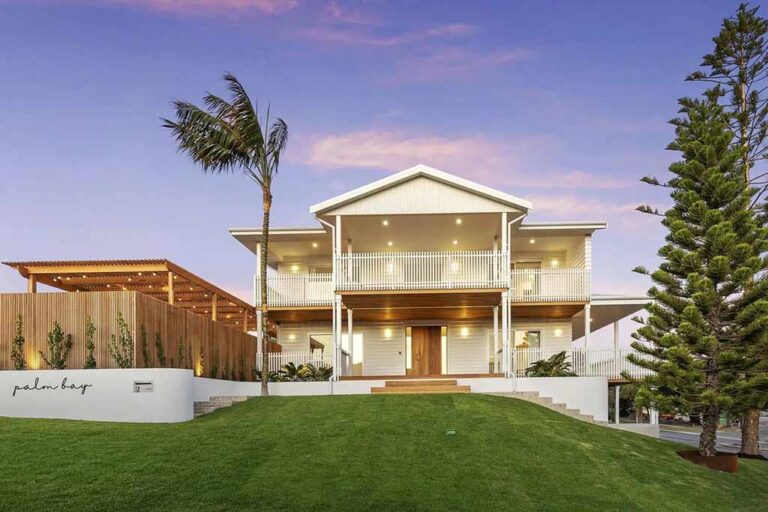
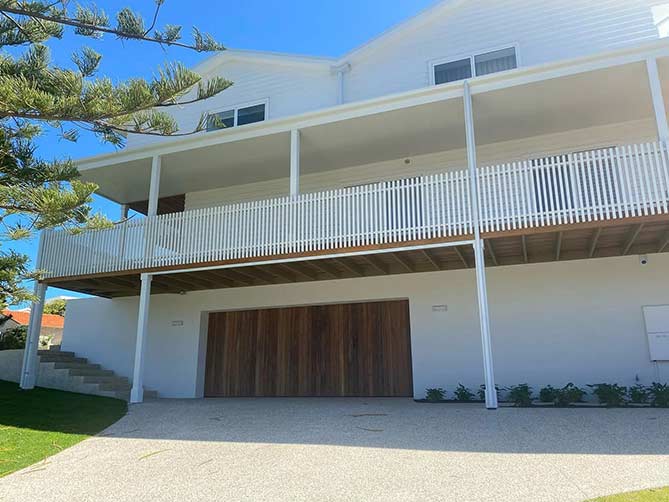
MSWA Mega Home Lottery “Palm Bay” Grand Prize Painting Project
We were lucky to be asked by MSWA if we could paint the 2024 Mega Home…
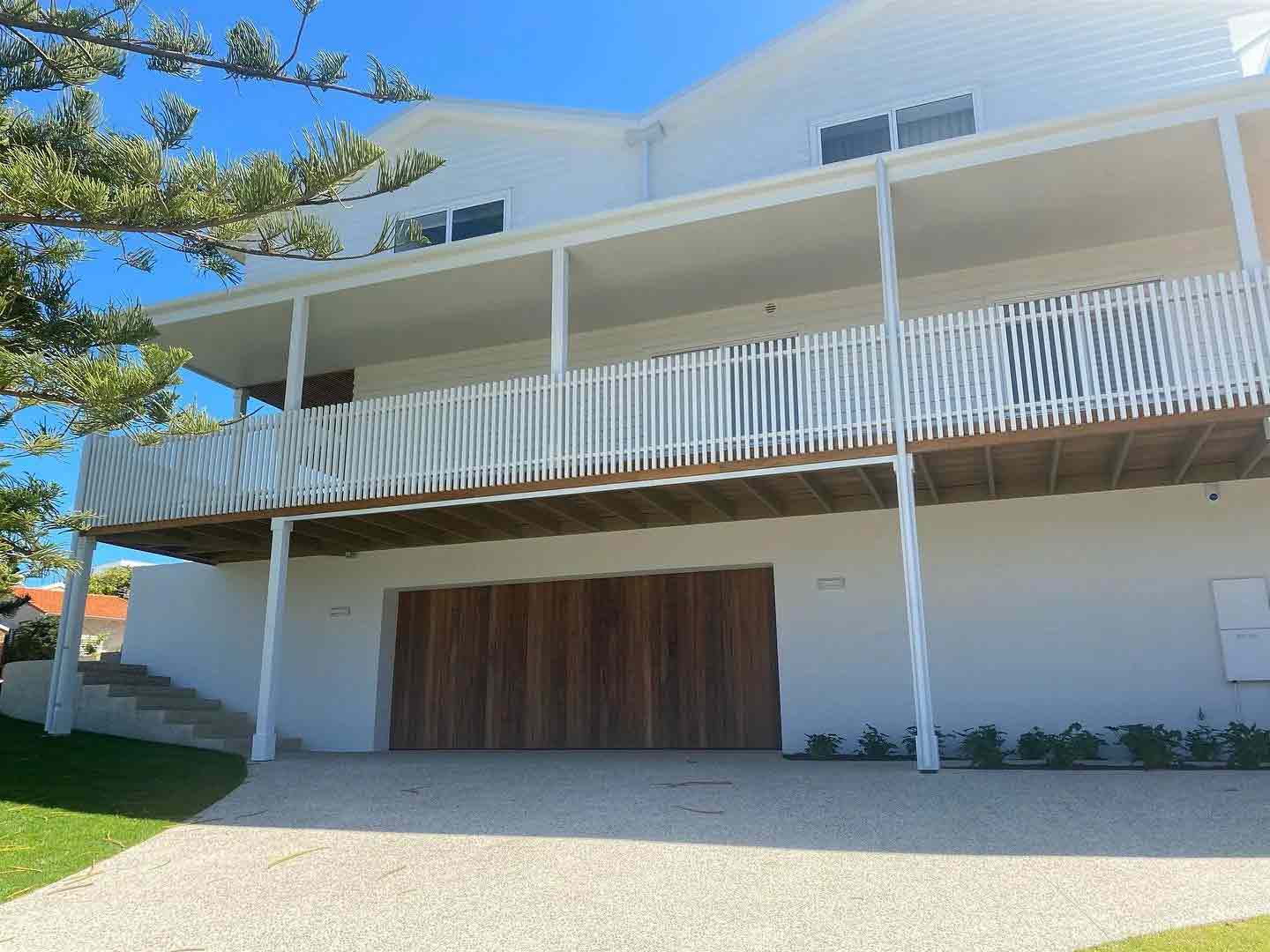
An exterior repaint is not decoration. It’s the layer keeping water, salt and ultraviolet off the building, and when it fails the damage underneath costs a great deal more than the paint job would have.
Pro Painting Works handles exterior painting across Stirling, Karrinyup, Scarborough, Trigg, North Beach, Doubleview, Wembley Downs, Floreat and City Beach.
Render, brick, weatherboard and fibre cement, using Dulux and Dulux Acratex systems specified for what Perth weather actually does to a west-facing wall.
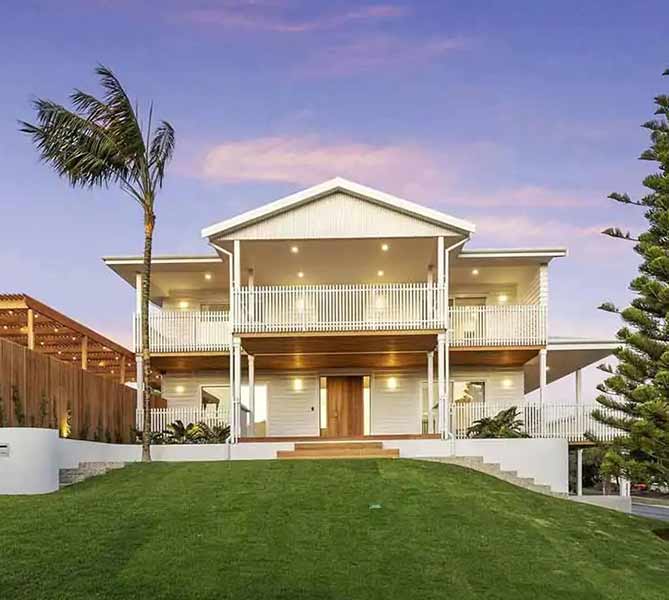
Perth is a harder environment for exterior coatings than most of the country, and the suburbs along this stretch of coast are harder again.
Ultraviolet levels here are high and sustained. Cheap coatings chalk, which is the powdery residue you get on your hand when you run it down a sun-facing wall, and once chalking starts the film is breaking down and losing its water resistance.
Salt-laden air off the ocean accelerates everything. Homes in Trigg, North Beach, Scarborough and City Beach cop it constantly, and it attacks fixings and metalwork as much as the paint film.
Then there’s the movement. Hot days and cool nights make render and weatherboard expand and contract daily. A brittle coating cracks along that movement, water gets behind it, and the failure spreads from there.
None of this is unusual and all of it is manageable. It just means the product has to be specified for the exposure and the preparation has to be done properly, which is where most failed exterior jobs went wrong.
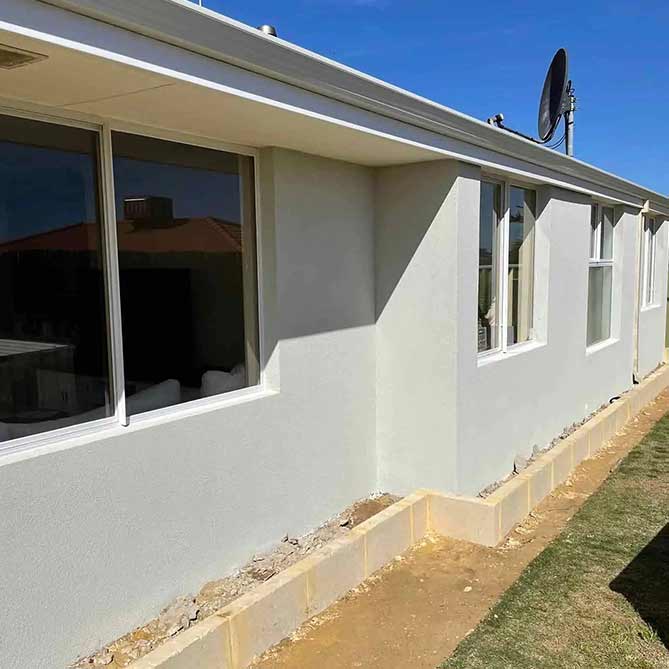
Common on newer builds around Karrinyup, Gwelup and the coastal developments. Render is durable but unforgiving of poor preparation, and it needs a coating system with enough flexibility to move with it.
Every render job starts with a pressure clean to remove salt deposits, dirt and chalking residue. Hairline cracks get raked out and filled with a flexible filler rather than a rigid one. Any blown or drummy sections need addressing before painting, because painting over a hollow patch of render is covering a problem you’ll be back for.
We use Dulux Acratex systems on render where the exposure warrants it. They’re membrane coatings built to bridge hairline movement and hold their colour through Perth summers.
Painted brick is a big commitment, since it’s difficult to reverse, so it’s worth a proper conversation before you decide. Done well it modernises an older home dramatically. Done badly it traps moisture in the wall.
Brick needs the right primer and a breathable topcoat that lets moisture move out rather than sealing it in. Limestone, common through the older western suburbs, needs particular care because it’s porous and soft.
Plenty of older homes through Wembley, Floreat, Doubleview and Mount Hawthorn are weatherboard, and timber is the substrate that punishes shortcuts hardest.
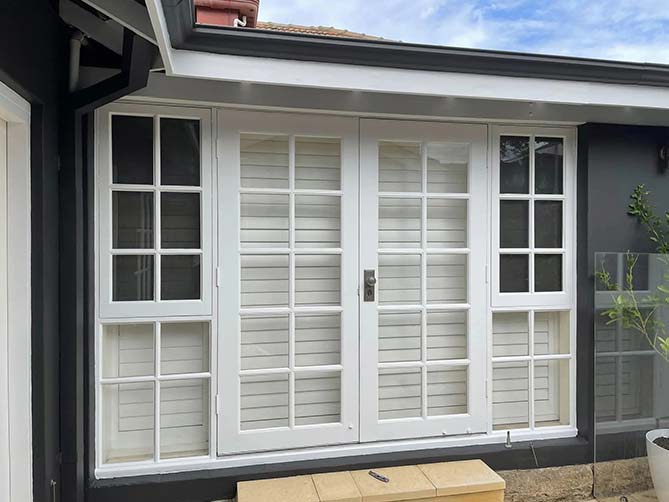
Loose and flaking paint has to come back to a sound edge. Bare timber needs an oil-based primer to seal it. Gaps and joints need caulking properly, because uncaulked joints crack along every seam within a season and let water into the end grain.
We check for rot while we’re preparing, particularly at the bottom boards and around window sills where water sits. If something needs replacing we’ll tell you before we paint over it.
Fibro cladding needs a specific primer. Skip it and you get efflorescence, the white salty bloom that pushes up through the topcoat as moisture moves out of the sheet.
Older fibro also needs handling carefully. Sheeting from before the late 1980s may contain asbestos, and it must not be sanded or disturbed. Where we suspect it, we say so and we work to the appropriate approach rather than pretending we didn’t notice.
The details that make an exterior look finished. Eaves collect dirt and cobwebs and are usually filthy before painting. Fascias and barge boards are exposed and often the first timber to deteriorate.
Gutters and downpipes can be repainted where they’re sound, using coatings suited to metal with rust treatment underneath where needed.
Window frames, door surrounds, security screens, gates, railings and garage doors. Mostly hand-painted, because no spray gun gives you a clean line against brickwork.
Metalwork gets rust treated and primed with an inhibitive primer before the topcoat, otherwise the rust keeps working underneath and lifts the paint off within a year.
This is the part clients don’t see and the part they’re actually paying for. Two exterior quotes can differ by thousands and the gap is almost always here.
Pressure clean: the whole exterior washed down to remove salt, dirt, cobwebs, chalking residue and any loose material.
Mould and mildew treatment: shaded south walls and areas under eaves grow mould. It gets treated and killed, not painted over, because it will grow back through the new coating.
Scrape and sand: everything loose comes off, and the edges get feathered back so you don’t see a ridge through the finish.
Repairs: cracks raked and filled, holes patched, joints caulked, rotten timber flagged or replaced.
Priming: the correct primer for each substrate, spot-primed on repairs and full-primed on bare areas.
Then, and only then, two topcoats.
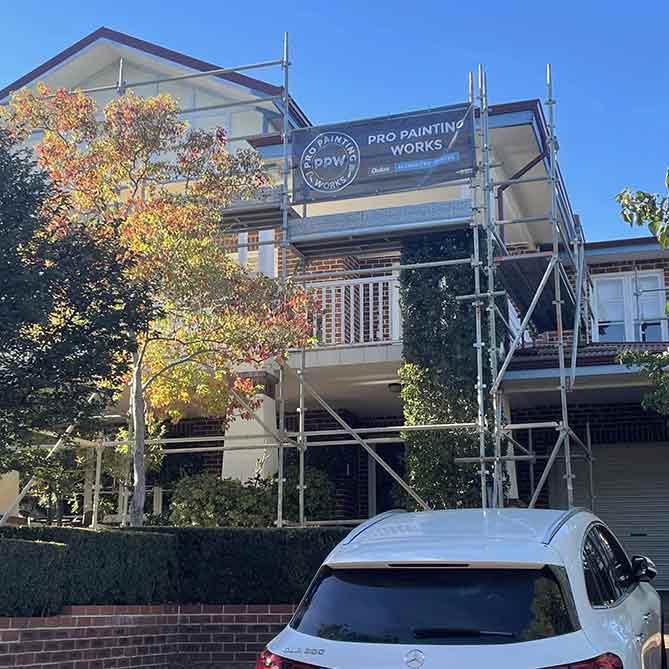
Double-storey homes, steep sites and awkward setbacks need proper access equipment, not a painter balancing a ladder on a retaining wall.
We use scaffolding and elevated work platforms where the job calls for it. It costs more than a ladder and it’s non-negotiable, both for the safety of the crew and because you cannot cut a clean line at full stretch.
Fully insured, with public liability cover and painting registrations PC 102205 and PP 101238.
Exterior paint needs the right conditions to cure, and applying it in the wrong ones will compromise the job regardless of how good the product is.
Autumn and spring are the best windows here. Mild temperatures, lower humidity, and enough dry days in a row to get through the preparation and both coats.
Summer is workable but the surface temperature is the constraint rather than the air temperature. A north or west-facing wall in February can be far too hot for paint to flow and level properly, so we work the shaded side of the house and follow it around through the day.
Winter is possible in dry spells, though the drying window is short and we won’t apply a coat if there’s rain forecast inside the recoat time.
If you’re planning a repaint, booking in autumn or spring is worth doing early because those months fill up.
Properly prepared and correctly specified, expect five to eight years on most Perth exteriors before it needs attention again.
Exposure is the variable. A sheltered south-facing wall might go a decade. A west-facing wall in Trigg taking full afternoon sun and salt spray will want attention sooner. Acratex membrane systems sit at the longer end of that range.
The usual reason an exterior fails early has nothing to do with the paint. It’s preparation that was rushed, or a coating applied over a surface that was still breaking down underneath.
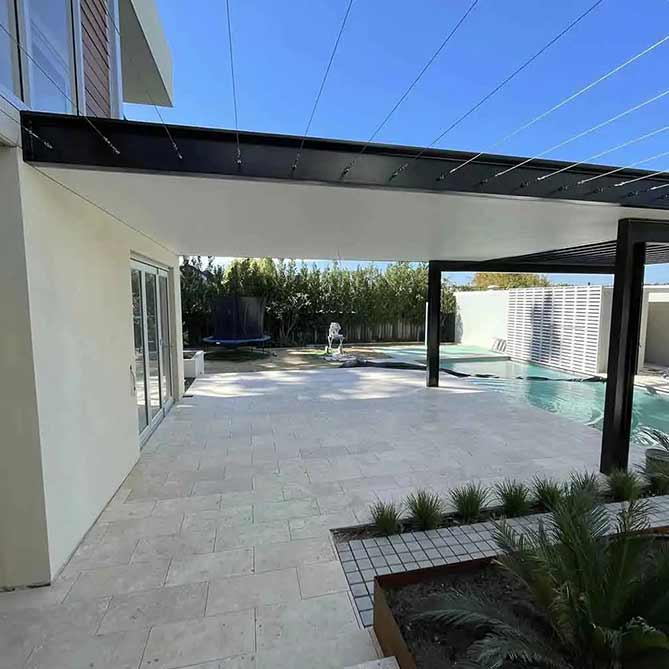
Recent exterior work includes the MSWA Mega Home Lottery grand prize home in Marmion, a new extension in Swanbourne matched to the existing house, and a full exterior repaint on a double-storey home in Menora.
We were lucky to be asked by MSWA if we could paint the 2024 Mega Home…
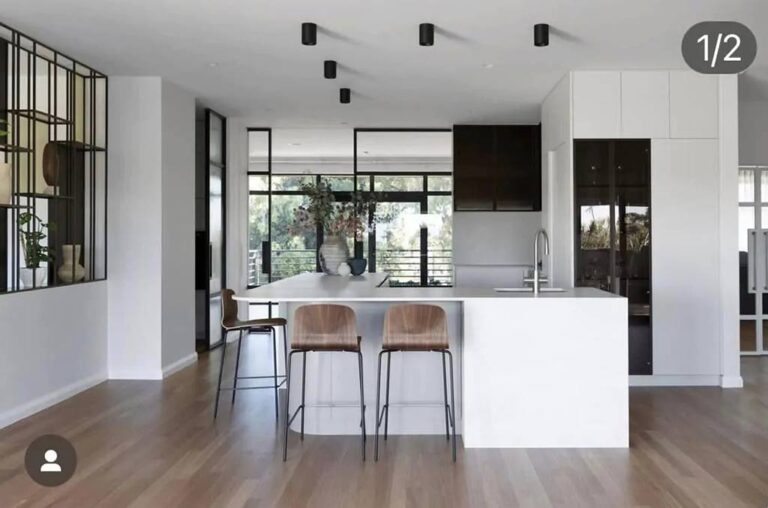
In this City Beach home, we were commissioned to bring the interior to life following recent…
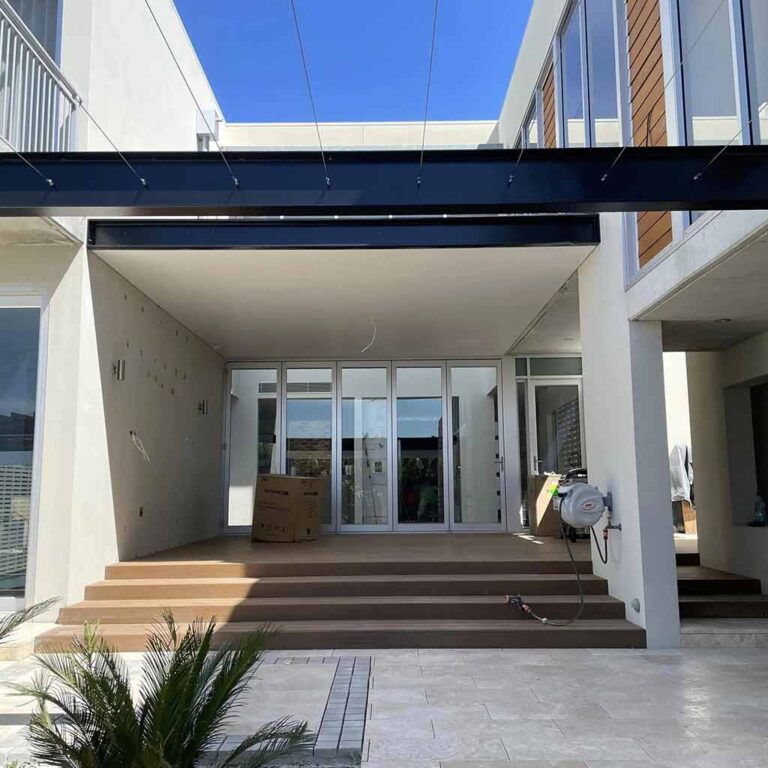
We were asked to paint the newly constructed extension in this Swanbourne-based project so it looked…
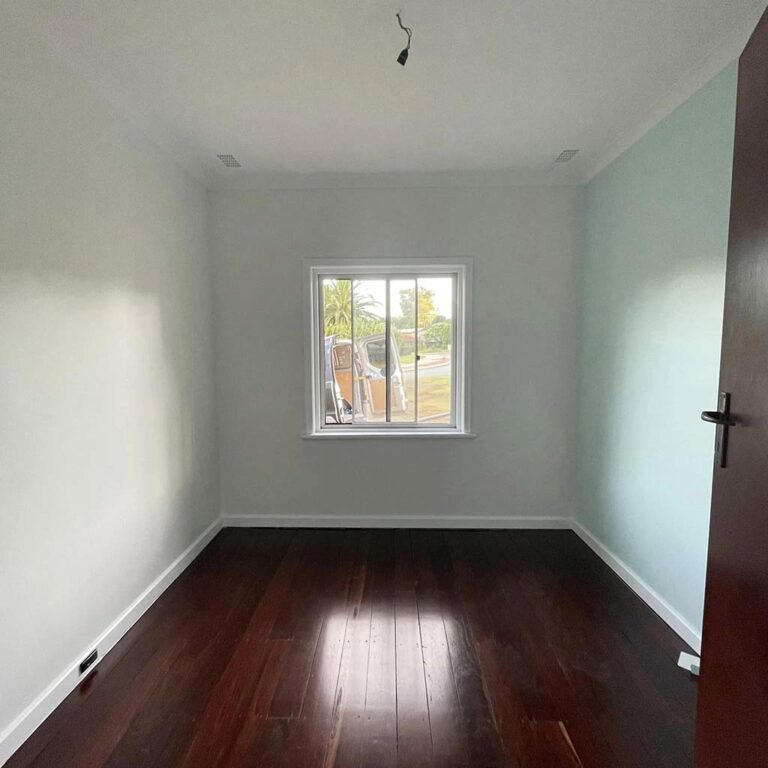
In this project, we were commissioned to refresh the interior of a charming Floreat four-bedroom, two-bathroom…
We’re based in Stirling and work across the surrounding suburbs, including Karrinyup, Innaloo, Gwelup, Doubleview, Balcatta, Osborne Park, Woodlands, Churchlands, Scarborough, Trigg, North Beach, Wembley, Wembley Downs, Floreat and City Beach.
How long does an exterior repaint take?
A single-storey home is usually one to two weeks. Double-storey or heavily deteriorated exteriors take longer, mostly because of the preparation rather than the painting.
Do you pressure clean before painting?
Always, and it’s included. Painting over salt, dirt and chalking residue is the fastest way to get a job that fails early.
Can you paint over existing paint that’s peeling?
Not directly. Anything loose has to come off first and the edges feathered back. Coating over failing paint means the new film comes away with the old one.
Do you paint roofs?
Yes. Pressure clean, seal and spray application on tile and metal roofs using Dulux Acratex systems.
What about asbestos cladding?
Older fibro can contain asbestos and must not be sanded or cut. If we suspect it, we’ll tell you and work to an approach that doesn’t disturb it, or recommend you get it assessed first.
What time of year is best?
Autumn and spring. Mild temperatures and a run of dry days give the best cure. Summer works if we follow the shade around the house.
Do you handle repairs before painting?
Minor repairs, filling and caulking are part of the preparation. Larger work like replacing rotten weatherboards or repairing blown render gets itemised separately so you can see the cost.
Call Michael on 0406 615 503 or send through the form.
We’ll come out, assess the surfaces properly, and give you a written quote that spells out the preparation as well as the paint.
No cost and no obligation.
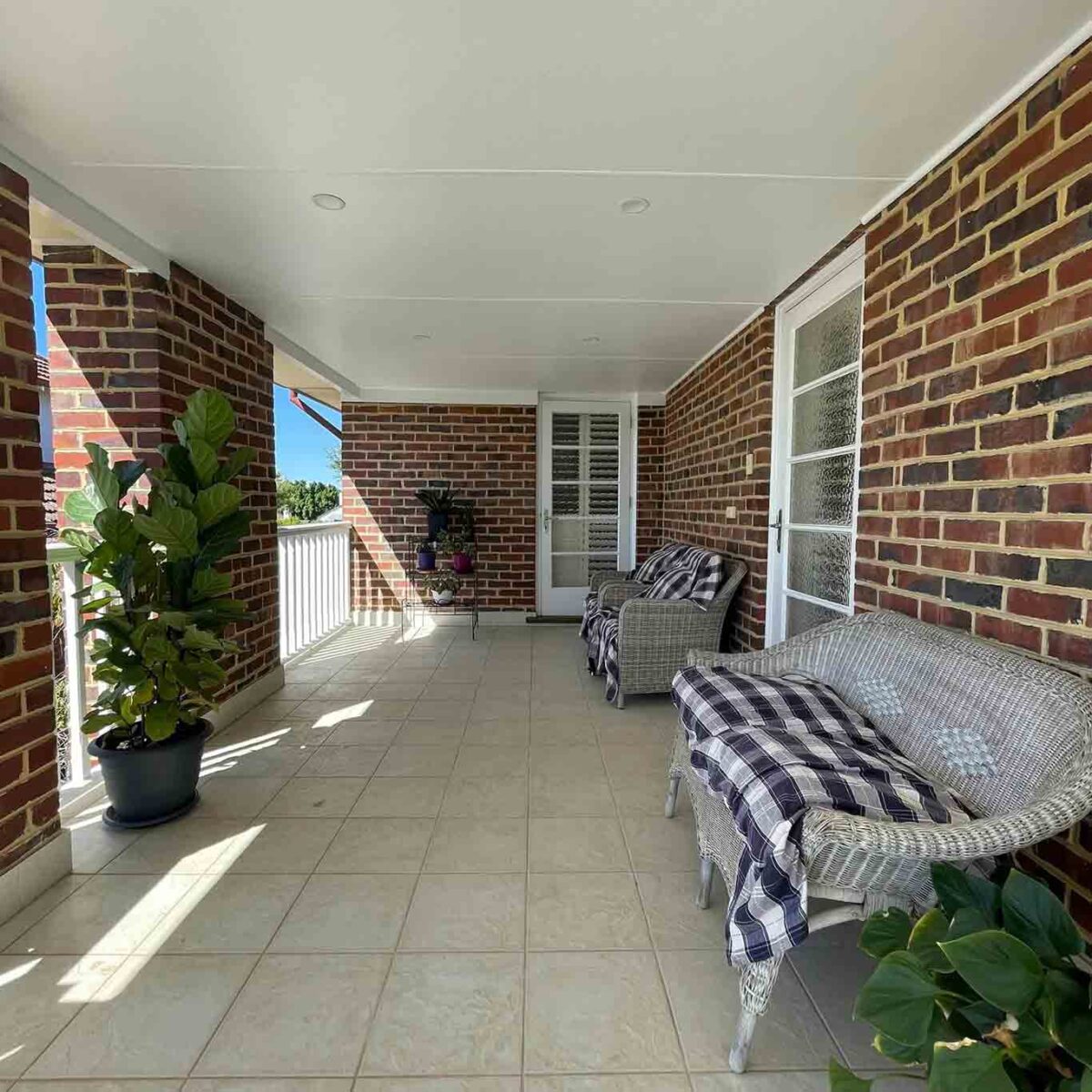
Based in Stirling and on the tools six days a week. Send through a few details and we'll come out for a look at no cost.